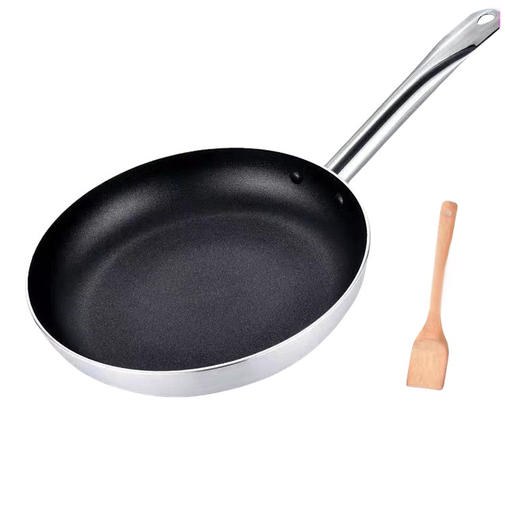
1. What are non-stick cookware ?
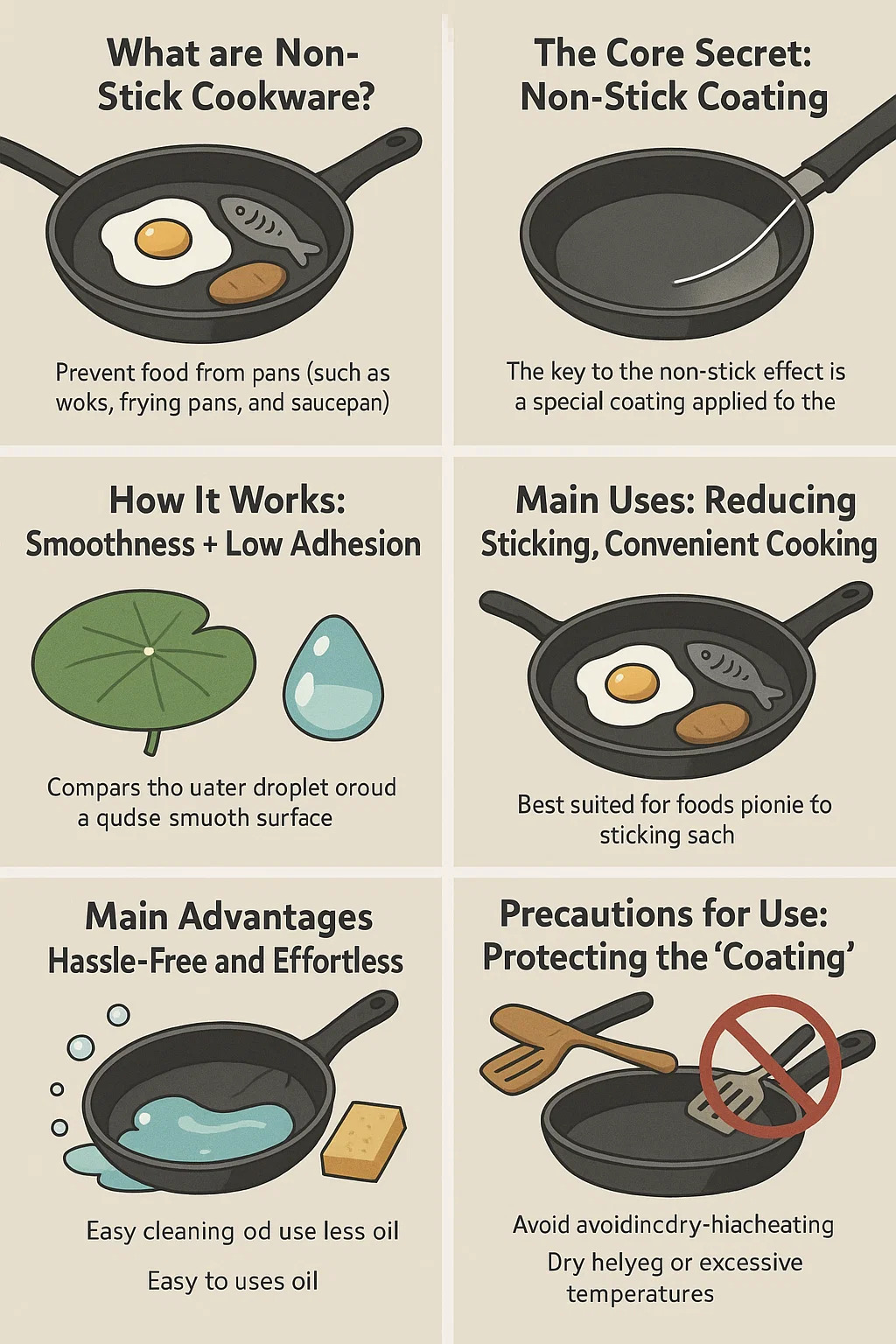
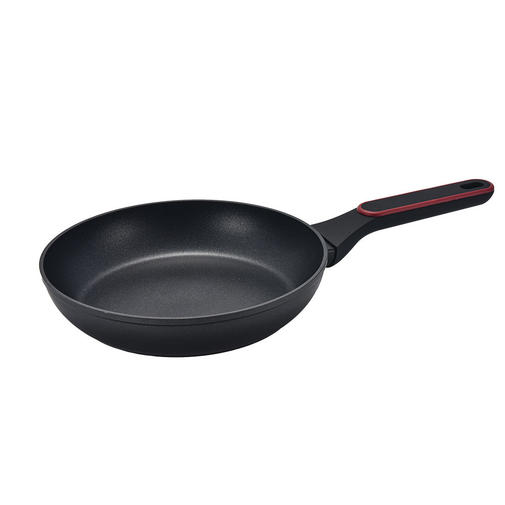
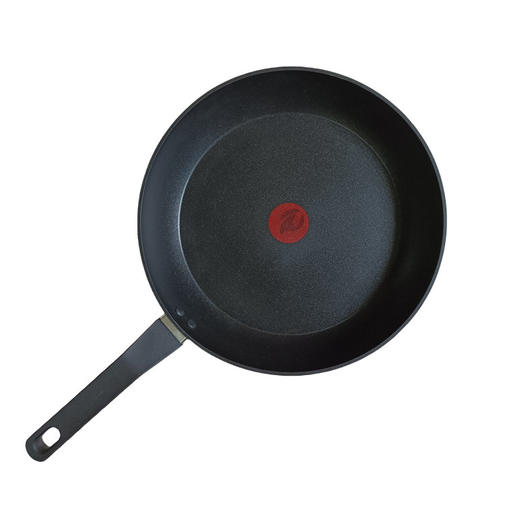
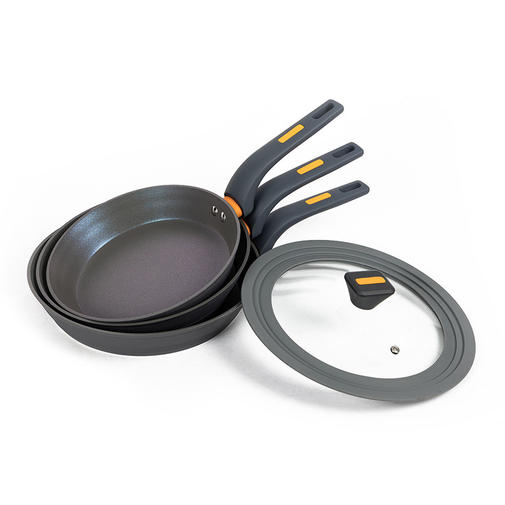
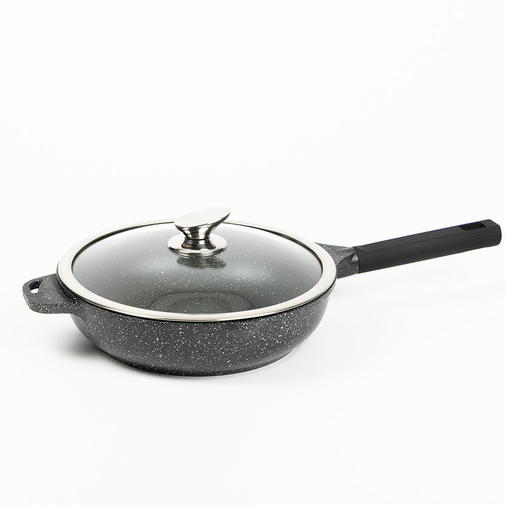
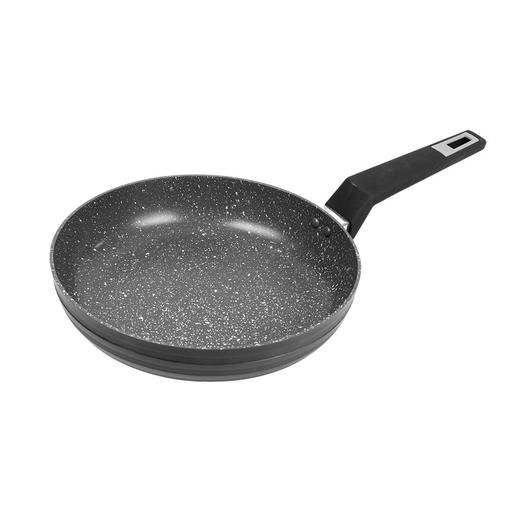
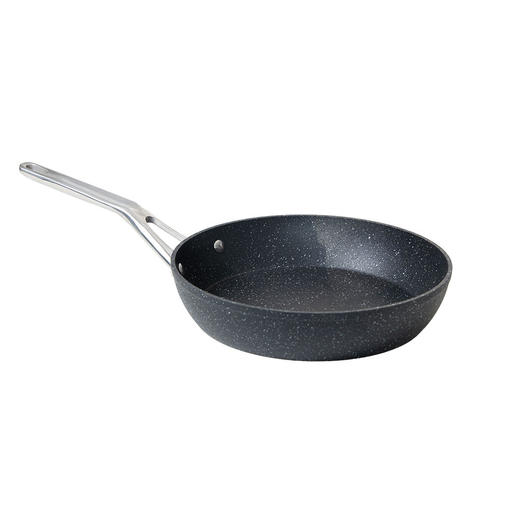
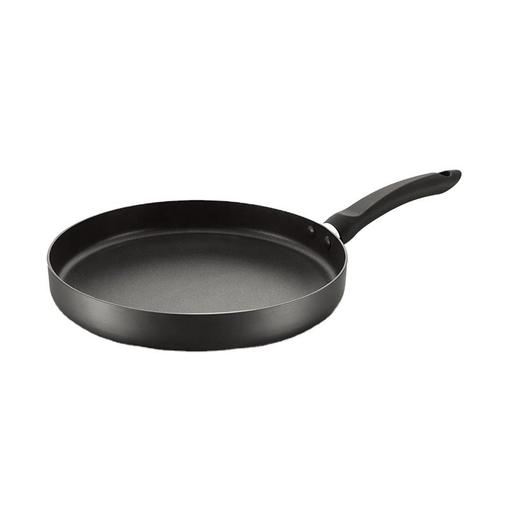
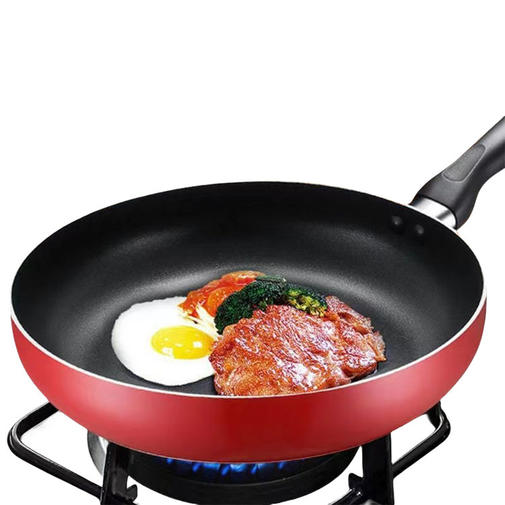
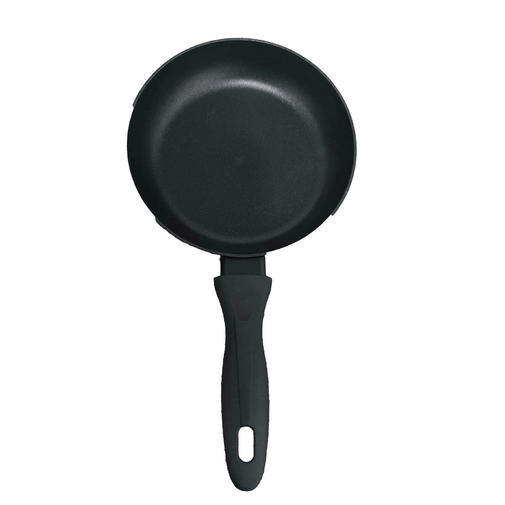
Simply put, they are pots and pans (such as woks, frying pans, and saucepans) whose inner surface has been specially treated to prevent food from sticking to the bottom during cooking. When you stir-fry, fry eggs, or fry fish, the food won't easily stick to the bottom of the pan.
2. The core secret: Non-stick coating
The key to this non-stick effect is a special coating applied to the inside of the pan. This coating is very smooth, like giving the bottom of the pan a slippery "coat."
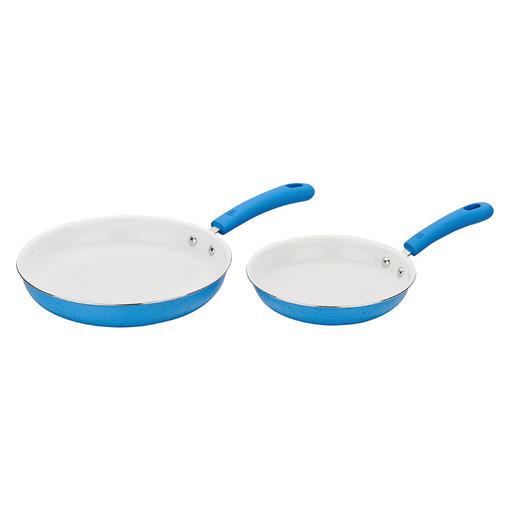
The most common coating material used to be Teflon (a brand name representing a type of coating material), but now many non-stick cookware use ceramic coatings or other new environmentally friendly coatings.
This coating prevents strong adhesion between the food and the bottom of the pan.
3. How it works: Smoothness low adhesion
Imagine a water droplet rolling on a lotus leaf; the surface of the lotus leaf is very smooth, and the water droplets don't easily stay on it. The principle of non-stick cookware coating is similar.
The surface of this special coating is extremely smooth and dense, greatly reducing the opportunity and area of contact between food molecules and the metal of the pan.
At the same time, the nature of this material itself means that food "can't grip" it, resulting in very low adhesion. Therefore, food can easily slide on the bottom of the pan.
4. Main uses: Reducing sticking, convenient cooking
This type of cookware is best suited for foods that are particularly prone to sticking, such as:
Frying fish, frying eggs (especially soft-boiled eggs, easy to flip)
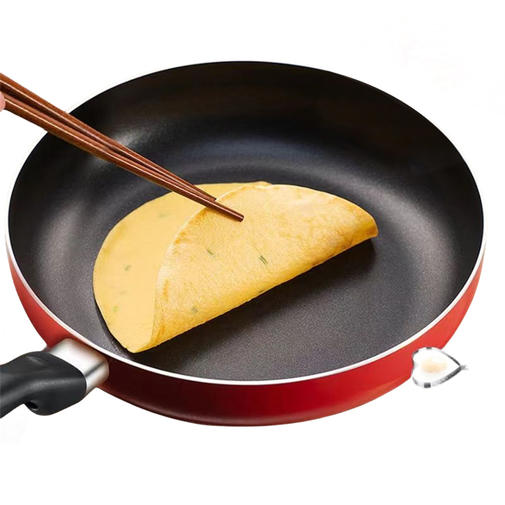
Frying pancakes, flatbreads
Stir-frying rice, noodles (less likely to stick and burn)
Frying tofu, potato pancakes, and other starchy foods
With non-stick cookware, you don't have to worry too much about food sticking to the bottom of the pan or burning.
5. Main advantages: Hassle-free and effortless
Easy to clean: Because food residue doesn't easily stick firmly to the pan, after cooking, a short soak and a gentle wipe with a soft sponge or cloth will clean it, saving you the trouble of scrubbing. Use less oil: Because food doesn't stick easily, you only need to use a little oil when cooking, and some foods (such as fried eggs) can even be cooked without any oil at all. The resulting dishes are lighter and healthier, meeting the needs of those on a low-fat diet.
Easy to use: It's easier to flip food when frying or stir-frying, especially delicate foods (such as fish and eggs), preventing them from breaking apart.
6. Precautions for Use: Protecting the "Coating"
The "lifeblood" of non-stick cookware is its coating. Once the coating is damaged, the pan will easily become sticky. Therefore, pay attention to the following when using it:
Avoid using metal spatulas/spoons: Sharp metal edges can easily scratch the coating. Use wooden, silicone, or heat-resistant nylon spatulas instead.
Avoid dry heating and excessively high temperatures: Prolonged dry heating or excessively high temperatures (such as when the oil temperature is too high and smoking during stir-frying) can damage the coating and shorten the lifespan of the cookware.
Clean gently: Do not scrub with rough cleaning tools such as steel wool; use a soft cloth or sponge. Do not immediately rinse a hot pan with cold water after use, as thermal expansion and contraction can also affect the coating.
Store carefully: Do not force or stack pans tightly together to prevent the coating from being scratched by other cookware.